Squier Mini Jazzmaster HH Review: Is It Worth Buying?
The Squier Mini Jazzmaster HH is one of the more unusual guitars in Squier's lineup. It takes the Jazzmaster's offset body shape and shrinks it down to a 3/4 scale instrument with a 22.75" scale length and a dual-humbucker pickup configuration — hence the HH designation. It is aimed at younger players and smaller adults, but its distinctive looks and low price have attracted interest well beyond that audience. Landon does a full deep dive: teardown, measurements, internal inspection, detailed specs, clean and dirt tones through a Vox AC15, and a notably extended pros and cons section that runs for nearly eight minutes.
Get the Squier Mini Jazzmaster HH
What the Mini Jazzmaster HH Is
The Mini Jazzmaster HH is Squier's attempt to combine two things that do not normally coexist at this price point: the distinctive Jazzmaster offset body aesthetic and a compact scale length suitable for smaller players. The standard Jazzmaster sits on a 25.5" scale. The Mini uses a 22.75" scale, which reduces the string tension noticeably and makes chord shapes and barre chords physically easier for players with smaller hands.
The HH in the name refers to the twin humbucker pickup layout. Unlike the standard Jazzmaster which uses large single-coil pickups with the dual lead/rhythm circuit, the Mini uses two standard-sized humbuckers wired to a simple volume, tone, and 3-way toggle layout. This makes it significantly easier to use than a full Jazzmaster, particularly for players who find the standard Jazzmaster's dual-circuit switching confusing.
The guitar also uses a fixed hard-tail bridge rather than the floating tremolo of the standard Jazzmaster, which eliminates the tuning stability issues that budget floating tremolos can produce and keeps the setup straightforward.
Full Specs
| Body | Poplar |
| Body shape | Offset double cutaway (mini) |
| Body finish | Gloss polyester |
| Neck | Maple, C-shape |
| Fingerboard | Indian laurel |
| Frets | 20 medium jumbo |
| Scale length | 22.75" (578 mm) |
| Nut width | 1.575" (40 mm) |
| Bridge pickup | Squier Standard humbucker |
| Neck pickup | Squier Standard humbucker |
| Controls | Master volume, master tone |
| Pickup switching | 3-way toggle |
| Bridge | Hard-tail fixed bridge |
| Hardware finish | Chrome |
| Country of origin | China |
The Short Scale and Who It Suits
The 22.75" scale length is the Mini Jazzmaster's defining practical feature. It is significantly shorter than the standard 25.5" Fender/Squier scale and even shorter than the 24.75" Gibson scale. The reduced string tension makes the guitar physically easier to play for smaller hands, younger players, and anyone who finds standard-scale guitars uncomfortable for extended sessions.
The narrower 1.575" nut width (versus the standard 1.650") is another comfort factor. Chord shapes and barre chords require less hand spread, which makes a genuine difference for players who struggle with standard-width necks. Combined with the shorter scale, the Mini Jazzmaster is one of the most accessible electric guitars available in terms of pure playability for smaller players.
For adult players considering the Mini purely for tonal or aesthetic reasons, the scale length will feel noticeably different from a standard guitar. Bends require less force and the overall feel is looser and more elastic. Some players love this; others find it takes adjustment coming from a standard-scale instrument.
HH vs Standard Jazzmaster Pickups
The Mini Jazzmaster HH departs significantly from the standard Jazzmaster's pickup character. A full Jazzmaster uses large, flat, single-coil pickups with a distinctive warm, wide tone that is central to the instrument's identity. The Mini uses a pair of standard humbuckers that have none of that character. What you get instead is a versatile HH layout with the expected humbucker warmth, output, and noise rejection — useful, but tonally unrelated to what makes a Jazzmaster sound like a Jazzmaster.
This is worth being clear about before buying. If you want Jazzmaster tone in a smaller package, the Mini HH will disappoint you. If you want an offset-shaped guitar with a short scale and dual humbuckers, it delivers that well. The two things are different purchases with different expectations.
Inside the Guitar
Tone Samples
Clean tones start at 10:20 through the Vox AC15. The humbuckers produce a warm, slightly compressed clean tone that suits rhythm playing and lighter lead work. Both pickups are functional and reasonably balanced. The bridge humbucker has more brightness and clarity, the neck is warmer and rounder. The middle position blends both for a tone that works across most clean playing styles.
Mild gain at 11:25 is where the humbuckers feel most at home. The output and warmth of the pickups pair naturally with light overdrive and produce a smooth, musical tone that would suit blues, indie, and classic rock styles without difficulty. Higher gain, tremolo, and delay combinations are demonstrated at 11:59, which shows off a wider range of what the guitar can cover in terms of tonal variety.
The Extended Pros and Cons
The pros and cons section starting at 15:47 runs for nearly eight minutes, which is unusually long even by Landon's standards. This is worth watching in full if you are seriously considering the Mini Jazzmaster. The extended runtime reflects the complexity of the guitar's value proposition — it does some things very well and some things not at all, and those lines are worth drawing clearly before spending money on it.
Who This Guitar Is For
The Mini Jazzmaster HH is genuinely the right guitar for a specific type of buyer. For a young player who wants an electric guitar with a distinctive look and easy playability, it is an excellent choice. For a smaller adult who finds standard-scale guitars physically uncomfortable, the short scale and narrow nut make a real difference. For a travel guitar that will fit into overhead bins and small bags more easily than a standard instrument, the compact body is a practical advantage.
It is not the right guitar for a player who wants Jazzmaster tone, who plays aggressively and needs a full-scale tension, or who is buying it primarily because it looks cool and expects it to play and sound like a standard offset guitar. The honest expectation-setting in the video's pros and cons section is the most valuable part of the review for anyone in that last category.
Pros and Cons
- Short scale is genuinely easier to play for smaller hands
- Offset Jazzmaster body shape is distinctive and eye-catching
- Fixed hardtail bridge is stable and easy to set up
- HH layout is more versatile than standard Jazzmaster pickups
- Compact size makes it practical for travel and storage
- Good build quality for the price
- No dual-circuit complexity — much easier to use than a real Jazzmaster
- Does not sound like a Jazzmaster despite the name and shape
- Short scale feels significantly different from a standard guitar
- Narrower nut limits upgrade options for hardware
- 20 frets rather than 21 or 22
- Indian laurel fingerboard rather than rosewood
- Humbuckers are basic and an upgrade candidate
Verdict
The Squier Mini Jazzmaster HH is an excellent guitar for the right buyer and a frustrating one for the wrong buyer. If you need a short scale offset guitar with easy playability and a distinctive look, it delivers all of that at a price that is hard to argue with. If you expect it to sound like a Jazzmaster or feel like a full-scale guitar, it will disappoint. The extended pros and cons section of this video is essential viewing before making the purchase decision.
More Squier and Offset Guitar Reviews
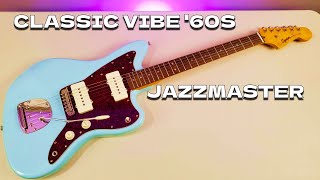


#landonbaileyyt · squier mini jazzmaster · short scale guitar · squier mini guitar · offset guitar review
Affiliate Disclosure: Links to Sweetwater, Guitar Center, Amazon, Thomann, Zzounds, Reverb, and eBay may be affiliate links. Landon Bailey receives compensation from affiliate programs of which he is a partner. This comes at no extra cost to you and helps support the channel and this site. Thank you!
