Otera TK1 Red: This Guitar Is Not What I Expected
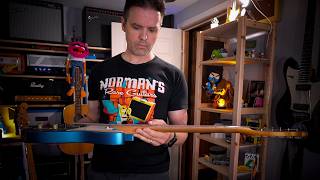
The Otera TK1 is the first guitar from Otera, the brand started by Steve Onotera, better known as the Samurai Guitarist. On paper it looks like a Telecaster. In the hands it is something different: a Seymour Duncan P90 in the neck, a four-way switch that adds series and parallel sounds, an arm carve and tummy cut, and a vintage U neck. The red run is limited to 120 guitars. I bought one, and here is what it actually is.


Full Disclosure Before Anything Else
To avoid any YouTube guitar drama, here is the honest picture up front. Steve and I are friends. We once lived in the same house for three days. That is the full extent of the business relationship, apart from the affiliate link.
Now you know exactly where I am coming from. Take everything below with that in mind.
What Is Otera?
Steve Onotera has been one of the most recognizable guitar creators on YouTube for years. He is also from Winnipeg, so this is a Canadian guitar brand built by a Canadian guitarist. For a while he talked about wanting his own guitar line, and Otera is the result. The name comes straight from his last name. Take the "No" out of Onotera and you get Otera. Steve apparently cannot say no to starting a guitar company. It sounded clever when I said it in the video.
The first Otera guitar sold out. The red TK1 is the follow-up, and the website is clear about the numbers: only 120 red TK1 guitars have been made. When they are gone, they are gone.
The Short Version: A Tele With the Annoyances Fixed
The easiest way to explain the TK1 is to start with a Telecaster and walk through the upgrades a lot of players end up wanting.
The neck pickup. A lot of players love a Tele but find the stock neck pickup a little underwhelming. The TK1 swaps it for a Seymour Duncan P90 Silencer soapbar, which brings more body and punch to the neck position.
The switching. A standard Tele gives you three positions. The TK1 uses a slanted four-way switch that adds a series setting and a parallel setting to the usual sounds.
The comfort. Traditional Tele bodies are slabs. The TK1 adds an arm carve and a tummy cut, so it sits against you more like a Strat.
The stability. The tuning is rock solid, and it ships in a proper deluxe gig bag.
That is the quick summary. It is not the whole story, but it explains why this is not just another Tele copy.
Otera TK1 Full Specs
| Spec | Details |
|---|---|
| Body | Basswood with ash top, arm carve and tummy cut |
| Neck | 3-piece maple, bolt-on, vintage U profile, semi-gloss finish |
| Truss Rod | Dual action |
| Scale Length | 25.5" (650 mm) |
| Fingerboard | Rosewood, 9.5" radius, white dot inlays |
| Frets | 21, jumbo |
| Nut | Graph Tech, 43 mm |
| Tuners | Rectangular closed-back |
| Bridge | Ashtray style with brass saddles |
| Neck Pickup | Seymour Duncan P90 Silencer soapbar |
| Bridge Pickup | Seymour Duncan BG1400 |
| Switching | 4-way: series, bridge, parallel, neck |
| Pickguard | Vintage ivory, 3-ply |
| Hardware | Nickel |
| Strings | D'Addario EXL110 (.010 to .046) |
| Case | Otera/Cort deluxe gig bag |
| Production | Limited to 120 red TK1 guitars |
The Pickups: Why the P90 Matters
The neck pickup is the headline change. A P90 is a single coil, but it is wider and has a fatter, grittier voice than a traditional Tele neck pickup. Where a stock Tele neck can sound thin or polite, a P90 pushes back with more midrange and more attitude, especially with some drive.
The catch with P90s has always been hum. The Silencer version is Seymour Duncan's answer to that, aiming to keep the P90 character while cutting the noise. In the bridge, the Seymour Duncan BG1400 handles the classic Tele side of the guitar, with the ashtray bridge and brass saddles adding to that traditional bite.
I love these pickups. The combination gives the TK1 a clear identity: proper Tele snap in the bridge and a thicker, rock-friendly neck that a standard Tele does not give you.
The 4-Way Switch Explained
The switching order on the TK1 is a little different from what you might expect, so it is worth laying out.
| Position | Pickups | What It Gives You |
|---|---|---|
| 1 | Bridge + Neck in Series | The two pickups act like one bigger pickup. Louder, thicker, and more humbucker-like than any single pickup on its own. |
| 2 | Bridge Only | The classic Tele bridge sound. Bright, twangy, and cutting. |
| 3 | Bridge + Neck in Parallel | The standard Tele middle position. Open, scooped, and great for clean rhythm. |
| 4 | Neck Only | The P90 on its own. Warm, round, and punchy. |
The series setting is the one that changes what this guitar can do. It gives you a fatter lead sound without touching your amp, which is something a regular three-way Tele simply cannot do.

Feel, Neck, and Weight
I like the neck a lot. The vintage U profile is a chunkier shape that fills the hand, and the 9.5" radius with jumbo frets makes bends and chords both feel easy. The semi-gloss finish on the neck keeps it from feeling sticky.
I also like the weight. The basswood body with an ash top keeps it comfortable, and the arm carve and tummy cut make a real difference over a long session compared to a traditional slab Tele body.
"The only thing they got wrong was the color. It's not blue, which is my favourite color, but this red kicks ass like a Canadian maple leaf."
That is the only real complaint I have, and it is a personal one. Steve is from Winnipeg, so I like to think the red is a maple leaf tribute.
What I'd Keep and What I'd Change
- The P90 Silencer neck pickup
- The 4-way switch with series and parallel
- The vintage U neck
- The arm carve and tummy cut
- The comfortable weight
- The branding and overall style
- A blue option, please
- A bigger run, so more players can get one
Otera TK1 vs a Standard Telecaster Layout
| Feature | Otera TK1 | Typical Tele |
|---|---|---|
| Neck Pickup | Seymour Duncan P90 Silencer | Tele single coil |
| Switching | 4-way with series and parallel | 3-way |
| Body Contours | Arm carve and tummy cut | Flat slab |
| Bridge | Ashtray with brass saddles | Varies by model |
| Availability | 120 guitars, direct from Otera | Widely available |
Limited Run: 120 Guitars
Only 120 red TK1 guitars have been made. That is a direct quote from the website, and it is not a scarcity tactic. That is simply all that is being produced. At the time of writing the price is $1,299.99 USD, sold directly through Otera.
I am not going to tell you that skipping this guitar is the biggest mistake of your life. No rush at all. Hurry up.
Final Verdict
The Otera TK1 is not what I expected. I thought it would be a nice Tele with a signature name on the headstock. Instead it is a Tele that has been rethought by a player who clearly knows what bugs people about the original design.
The P90 neck, the series switching, and the contoured body give it a range and comfort level that a regular Tele does not have, while the bridge pickup and ashtray bridge keep the classic sound intact. Yes, I am biased. I also bought it, and I would buy it again.
Where to Get It
Only available directly from Otera. 120 made.
More From the Blog
#landonbaileyyt · otera · otera tk1 · samurai guitarist · telecaster · p90 · seymour duncan · limited edition guitar
Affiliate Disclosure: Links to Otera, Sweetwater, Guitar Center, Zzounds, and Thomann may be affiliate links. Landon Bailey receives compensation from affiliate programs of which he is a partner. This comes at no extra cost to you and helps support the channel and this site. Thank you!
