Every Type of Electric Guitar Pickup I've Used (and What They Sound Like)
After ten years of making guitar videos, I've had a lot of pickups pass through my hands. Vintage Tele single coils, noiseless sets, P90s, humbuckers, active pickups, and even a set that cost less than a pizza. Some of them I bought, some I swapped into budget guitars to see how far a cheap instrument could go, and some I put head to head in blind tests.
This page pulls all of that into one place. It's organized by pickup type, so if you're trying to figure out what your next guitar or pickup swap should be, you can jump to the type you're curious about, watch the demo, and hear it for yourself. Your ears are the only ones that matter here.
Vintage-Style Telecaster Single Coils
Telecasters are my signature instrument, so it's no surprise this is where I've spent the most time. A classic Tele single coil gives you that bright, glassy, snappy sound with plenty of bite in the bridge position and a warm, round neck pickup. The differences between sets come down to output, magnet type, and how the coils are wound, and those small changes make a bigger difference than you'd expect.
Fender Custom Shop Texas Special Telecaster Pickups
The Texas Specials are overwound for a little more output and midrange push than a strictly vintage set. That makes them a great match for driving an amp like the Marshall DSL20HR, which is exactly what I did in this Tele Tone Tuesday episode.

Get the Texas Specials
Fender Pure Vintage '64 Telecaster Pickups
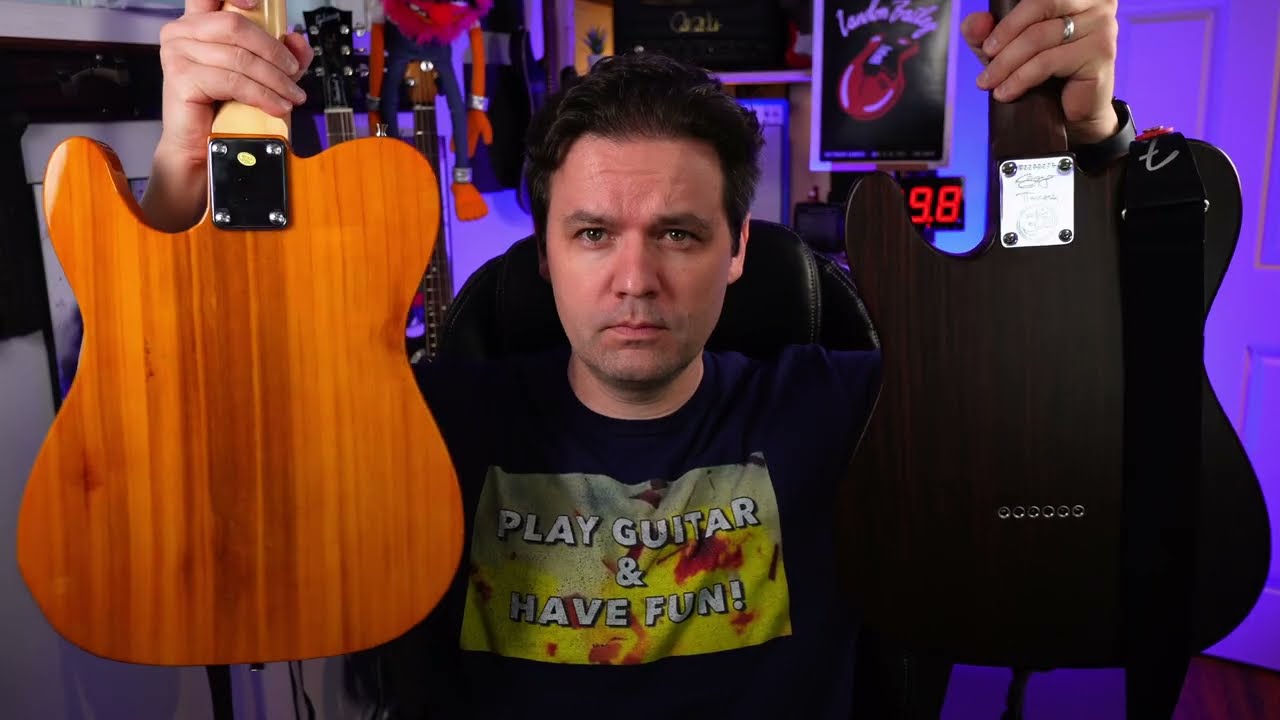
The Pure Vintage '64 set is Fender's take on the mid-60s Tele sound: lower output, clear, and very articulate. In this video I put the same set of pickups in two different guitars to answer a question I get all the time: how much of your tone is the pickup, and how much is the guitar?
Get the Pure Vintage '64s
Fender Custom Shop Twisted Tele Pickups
The Twisted Tele set pairs a traditional bridge pickup with a neck pickup that's built more like a Strat single coil, giving the neck position extra clarity and quack. I compared them against the Gen 4 Noiseless set and walked through the full install, so this is a good one to watch if you're planning a swap yourself.

Get the Twisted Teles
Fender Shaw Hot '50s Telecaster Pickups
These are the pickups nobody seems to talk about. Designed by Fender's Tim Shaw, the Hot '50s set leans into a hotter, punchier version of the early Tele sound. I installed a set in my Esquire and walked through the whole process.

Get the Shaw Hot '50s
Noiseless Single Coils
The one downside of a classic single coil is hum. Plug into a high-gain amp or sit near a computer monitor and you'll hear it. Noiseless pickups use a stacked design to cancel that hum while trying to keep the single coil character. The big question is always whether you give up any tone to get the silence.
Fender Gen 4 Noiseless Telecaster Pickups
I've tested the Gen 4 Noiseless set more than any other pickup on the channel. In this video I put the "noiseless" claim to the test, and in others I stacked them up against stock Player Series pickups, the Twisted Teles, and even a Boss Metal Zone to see if they could stay quiet under serious gain.
- Ultimate Telecaster Tone Test: Player Series vs Gen 4 Noiseless vs Twisted Tele
- Stop the Noise: Boss Metal Zone MT-2 and Gen 4 Noiseless Tele Pickups
- Gen 4 Noiseless vs Custom Shop Twisted Tele (with install)

Get the Gen 4 Noiseless set
Strat Single Coils and CuNiFe
Strat pickups are a little different from Tele pickups: less bridge-position twang, more of that bell-like, scooped sound, especially in the in-between positions. A Squier Classic Vibe is one of my favourite platforms for testing pickup upgrades because the guitars are so good for the money.
Fender CuNiFe Pickups in a Squier Classic Vibe '60s Strat
CuNiFe (copper, nickel, and iron) is the magnet material Seth Lover used in the original Fender Wide Range humbuckers in the 1970s. It's an unusual choice, and it gives these pickups a character that's different from both alnico and ceramic. I dropped a set into a Squier Classic Vibe '60s Strat to see what happens.

Alnico vs Ceramic Magnets
The magnet inside a pickup is one of the biggest factors in its sound. Alnico magnets (aluminum, nickel, and cobalt) are the vintage standard and tend to sound warmer and smoother. Ceramic magnets are cheaper to make and are usually brighter and grittier with a bit more output. Ceramic gets a bad rap, but it's not always a bad thing.
Ceramic or Alnico: Can You Hear the Difference?
This is a completely unscientific blind tone challenge between alnico and ceramic single coils. Listen before you look at the answers and see how you do. It's harder than you think.
Budget Pickups
Do expensive pickups really sound that much better than cheap ones? Sometimes the answer surprises me. Budget pickups usually use ceramic magnets and less careful winding, but the right cheap set in the right guitar can be a lot of fun.
What $15 Telecaster Pickups Sound Like
I picked up a set of Metallor Tele pickups for about fifteen bucks to find out exactly how far you can stretch a pickup budget. If you're building a parts guitar or experimenting with your first pickup swap, this is a low-risk way to learn.

Get the Metallor set
Active Pickups: Fishman Fluence
Fishman Fluence pickups aren't wound the traditional way. They use a printed circuit coil and onboard electronics powered by a battery or rechargeable pack. That means zero hum and, on many models, multiple "voices" you can switch between. They're a very different approach from everything else on this page.
Fishman Fluence Greg Koch Gristle-Tone Telecaster Set
Greg Koch's signature Fluence set is built for a Telecaster and gives you multiple voices in one set of pickups. Active pickups take a little more planning to install because of the battery, so I walked through the whole job step by step.

Get the Gristle-Tone set
P90 Pickups
P90s are single coils, but they're much wider and flatter than a Tele or Strat pickup. The result sits somewhere between a single coil and a humbucker: thick, gritty, and raw, with more output than a Fender single coil and more bite than a humbucker. They do hum, but a lot of players think the sound is worth it. I've covered P90s more than almost any other pickup type.
Seymour Duncan Antiquity P90s in an Epiphone Casino
The Epiphone Casino is a legendary hollowbody, and swapping in Seymour Duncan Antiquity P90s is the one change I'd make to it. The Antiquity line is designed to sound like aged vintage pickups.

Get the Antiquity P90s and the Casino
Yamaha Revstar RSS02T Standard
The Revstar RSS02T comes loaded with P90s from the factory, which makes it one of the easiest ways to get into the P90 sound without a pickup swap. It's also the guitar I used to settle whether all P90s really sound the same.

Get the Revstar
Epiphone Les Paul Special vs Les Paul Junior
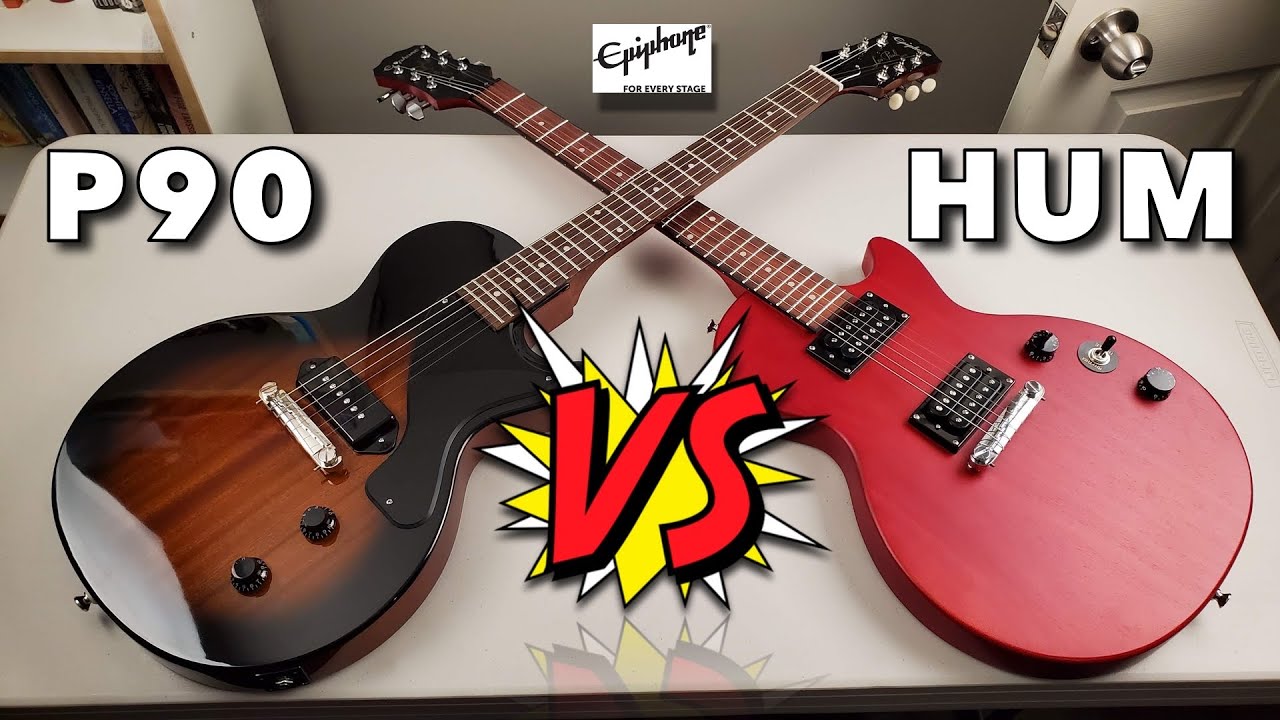
Two affordable Epiphones, one with humbuckers and one with a P90. This is one of the clearest ways to hear the difference between the two pickup types, because the guitars are so similar otherwise.
Humbuckers and Wide Range
A humbucker is two coils wired together so the hum cancels out. The trade-off is a thicker, warmer, higher-output sound with less of the sparkle you get from a single coil. Within that family there's a huge range, from vintage PAF-style pickups to the Fender Wide Range, which has its own unusual voice thanks to its CuNiFe magnets.
Gibson T-Tops vs Fender Wide Range vs Shawbuckers
A humbucker blind tone challenge with three very different pickups: Gibson T-Tops, Fender Modern Wide Range, and Fender Shawbuckers. Try to guess which is which before the reveal.
Are Fender Modern Wide Range Humbuckers Muddy?
People say the Modern Wide Range humbuckers are muddy. Are they? I compared them against three other types of humbuckers through a Marshall DSL20HR so you can decide for yourself.

Get Wide Range humbuckers
Seymour Duncan Invader in a Tom DeLonge-Style Squier Strat
The Seymour Duncan Invader is one of the hottest passive humbuckers you can buy, and it's the bridge pickup at the heart of the Tom DeLonge Strat sound. I built my own version from a Squier and installed an Invader in the bridge.

Quick Comparison Chart
| Pickup type | General character | Hum | Good for |
|---|---|---|---|
| Vintage Tele single coil | Bright, snappy, twangy | Yes | Country, blues, indie, clean and edge-of-breakup |
| Noiseless single coil | Single coil voice, slightly smoother | No | Recording, high gain, noisy rooms |
| Strat single coil | Bell-like, glassy, scooped | Yes | Funk, blues, in-between position tones |
| Ceramic magnet | Brighter, grittier, more output | Depends on design | Budget builds, aggressive tones |
| Active (Fluence) | Consistent, clear, multi-voice | No | Players who want versatility and silence |
| P90 | Thick, raw, gritty | Yes | Rock, punk, blues, garage |
| Humbucker | Warm, full, higher output | No | Rock, metal, jazz |
| Wide Range (CuNiFe) | Clearer than a typical humbucker, with a touch of single coil sparkle | No | 70s rock, indie, Tele Deluxe and Thinline tones |
Final Thoughts
If there's one thing all these videos have taught me, it's that there's no "best" pickup. There's only the best pickup for your guitar, your amp, and the music you play. The guitar itself, your amp, and your hands all shape the sound as much as the pickup does.
Watch the demos, trust your ears, and if you've got a question about a specific pickup, leave a comment on any of the videos above. I read them all.
Also on the Blog
Links to product sites may be from affiliate programs. I receive compensation from affiliate programs of which I am a partner. This doesn't change the price you pay, and it helps support the channel.
